
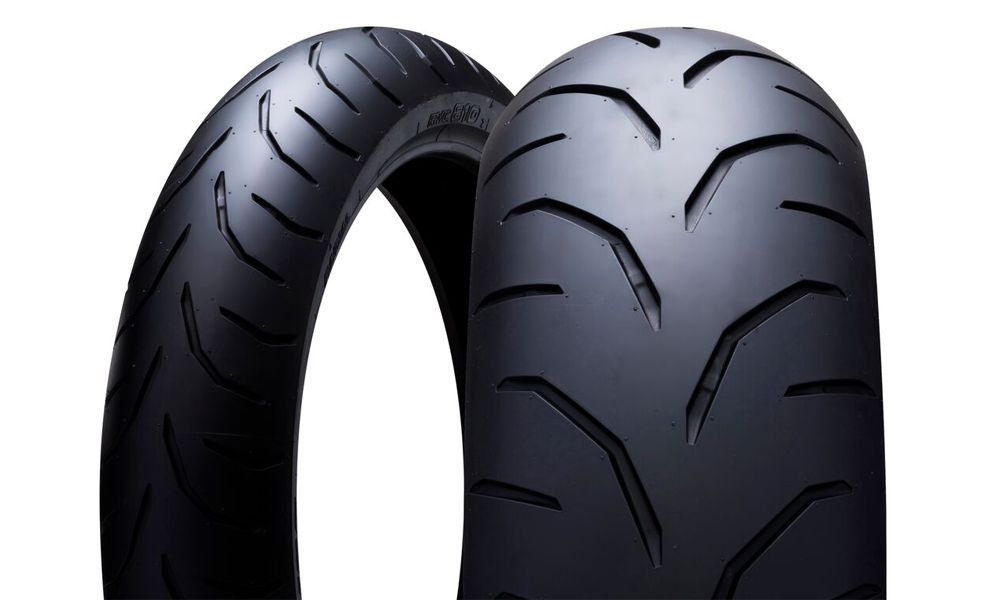
Identifying a tubeless tyre before purchasing saves time, money, and prevents compatibility issues with your motorcycle. The sidewall markings provide the quickest identification method – manufacturers stamp “Tubeless” or “TL” directly on the tyre surface. These clear indicators remove guesswork from your purchasing decision and ensure you select the correct tyre type for your motorcycle’s rim configuration.
Primary Identification Through Sidewall Markings
The most reliable method for identifying tubeless tyre construction involves examining the sidewall carefully. Manufacturers follow strict industry standards when labelling their products, making this approach both simple and accurate.
Reading Tyre Sidewall Information
Check the tyre sidewall for specific markings that indicate construction type. You’ll find either “Tubeless” or “TL” for tubeless construction, while “Tube Type” or “TT” indicates traditional tube-required tyres. These markings appear alongside other specifications like size, load rating, and speed rating.
Manufacturers position these markings prominently on the sidewall surface. The text typically appears in raised lettering, making it easy to spot even in varying light conditions. Some brands include additional symbols or codes that reinforce the tubeless designation.
The sidewall also contains manufacturing date codes, which help verify if the tubeless tyre technology matches current standards. Newer models often feature improved sealing compounds and construction methods that enhance performance and reliability.
Visual and Physical Inspection Methods
Beyond sidewall markings, several visual cues help distinguish tubeless from tube-type tyres. These inspection techniques prove particularly useful when examining mounted tyres or evaluating used options.
Valve Stem Analysis and Testing
The valve stem configuration provides immediate visual confirmation of tyre type. Tubeless tyre systems feature rubber valve stems mounted directly through the rim hole. These valves remain fixed in position because they seal against the rim surface using rubber grommets and mechanical pressure.
Traditional tube-type tyres display metal valve stems that move freely when pressed. This movement occurs because the valve attaches to the inner tube rather than the rim itself. A simple push test reveals this difference – tubeless valves stay rigid while tube-type valves shift position easily.
Some shops employ a quick verification method by loosening the valve nut and applying gentle pressure. If air escapes immediately with possible sealant traces, you’re dealing with a tubeless setup. This test works best on fitted tyres where direct observation proves challenging.
Construction and Bead Characteristics
Tubeless tyre construction differs significantly from tube-type alternatives. The bead area features reinforced rubber compounds and precise dimensional tolerances that create an airtight seal with compatible rims. This robust construction typically results in higher purchase prices compared to equivalent tube-type models.
Examining the bead profile reveals specialized angles and dimensions designed for mechanical interference with rim bead seats. The inner surface shows a smooth, sealed liner made from air-impermeable materials like butyl rubber. This inner coating replaces the traditional inner tube’s function in containing pressurised air.
The sidewall architecture incorporates multiple rubber layers and reinforcement materials preventing air permeation. These additional layers contribute to the tyre’s overall weight, though modern manufacturing techniques continue reducing this difference.
Practical Application and Safety Considerations
Proper identification ensures safe installation and optimal performance. Mixing incompatible components creates dangerous operating conditions that compromise rider safety.
Compatibility Verification Process
Always match tyre type with your motorcycle’s rim specifications. Installing tubeless tyres on rims designed for tube-type applications prevents proper sealing and causes rapid air loss. Similarly, fitting tube-type tyres on tubeless rims without appropriate tubes creates handling issues and potential failure risks.
Consult your motorcycle’s owner manual for original equipment specifications. Manufacturers design suspension, handling, and braking systems around specific tyre configurations. Deviating from these recommendations affects overall performance and safety margins.
Maintenance and Repair Differences
Tubeless tyre puncture repair options exceed those available for tube-type alternatives. Plug repairs provide temporary solutions for small punctures, while internal patches offer permanent fixes for larger damage. These repair methods work because the tyre maintains its seal directly against the rim surface.
Regular maintenance requirements differ between tyre types. Tubeless systems typically maintain pressure longer due to superior air retention characteristics. However, they require careful inspection for bead damage or sidewall cracks that compromise sealing integrity.
Many riders add liquid sealants to their tubeless setups for enhanced tubeless tyre puncture protection. These products coat the inner surface and automatically seal small punctures as they occur. Evidence of dried sealant around valve stems or inside the tyre confirms tubeless construction during used tyre evaluations.
Quality Options from Leading Manufacturers
Modern tubeless tyre technology continues advancing through research and development investments by manufacturers like Eurogrip. Their extensive testing across various Indian road conditions ensures products meet quality-conscious riders’ expectations for durability and performance.
Making Informed Purchase Decisions
Consider your riding style, typical road conditions, and maintenance preferences when selecting between tubeless and tube-type options. Eurogrip offers both configurations across their two-wheeler range, allowing riders to choose based on specific requirements rather than limiting options.
Their manufacturing process emphasises consistent quality control, ensuring proper sidewall markings and construction standards. This attention to detail helps riders quickly identify tyre types and make confident purchasing decisions. Whether commuting daily or seeking weekend adventure rides, proper tyre selection enhances both safety and enjoyment.
Be Assured of What You are Buying
Checking if a tyre is tubeless before buying requires simple observation skills and basic knowledge. Start with sidewall markings – the clearest indicator of construction type. Verify valve stem configuration and examine bead characteristics for additional confirmation. Remember that tubeless tyre puncture resistance and convenient repair options make them popular choices for modern motorcycles.
Your tyre selection impacts riding safety, performance, and maintenance requirements. Take time to verify compatibility with your motorcycle’s specifications before purchasing. Quality manufacturers like Eurogrip clearly mark their products and provide detailed specifications, making identification straightforward for informed buyers seeking reliable performance across various riding conditions.