

Introduction
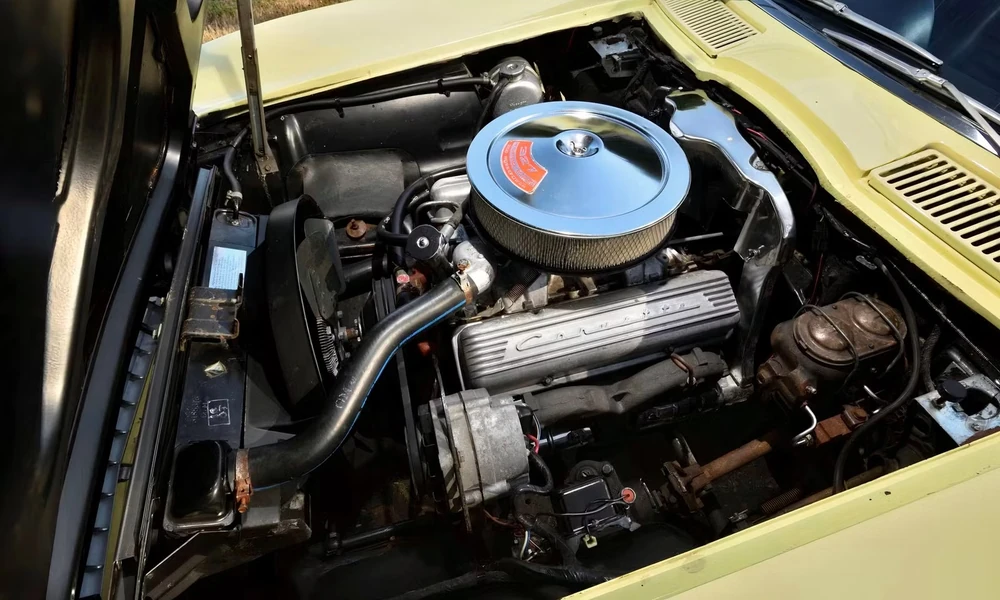
The muscle car era introduced engines that transformed vehicle performance and left a lasting mark on automotive history. These engines were built to deliver greater power, faster acceleration, and a more exciting driving experience. Continuous improvements in engineering allowed manufacturers to increase horsepower while improving reliability and durability. As a result, muscle cars became known for their impressive performance and strong road presence. Understanding the key features of these engines provides valuable insight into why they continue to be admired by collectors and automotive enthusiasts today.
Among the many iconic powertrains of this era, exploring how a landmark Ford Engine Changed Mustang Insights illustrates the rapid evolution of high-performance vehicle design. These revolutionary V8s demonstrated how targeted mechanical enhancements could dramatically elevate horsepower without sacrificing structural integrity, setting a baseline that other automakers scrambled to match.
Designed for Greater Power
One of the defining characteristics of muscle car engines was their ability to produce impressive power. Larger engine sizes and carefully engineered components helped generate greater horsepower and torque.
This increase in power gave muscle cars the strong acceleration that made them so popular.
Improved Airflow Systems
Efficient airflow was essential for high engine performance. Improved intake and exhaust systems allowed air to move more freely through the engine, supporting better combustion.
Better airflow contributed to increased power and smoother engine operation.
Reliable Fuel Delivery
A well-designed fuel system supplied the engine with the correct amount of fuel under different driving conditions. Consistent fuel delivery helped maintain steady engine performance and improved overall reliability.
An efficient fuel system supported both power and dependable operation.
Stronger Internal Construction
As engine output increased, stronger internal components became necessary. Durable engine parts helped withstand higher levels of stress while maintaining reliable performance.
Strong construction also contributed to the long service life of many muscle car engines.
Effective Cooling Performance
High-performance engines generated significant heat during operation. Well-designed cooling systems helped maintain safe operating temperatures and protected important engine components.
Reliable cooling allowed engines to perform consistently even during demanding use.
Continuous Engineering Improvements
Manufacturers continued refining engine designs throughout the muscle car era. Ongoing improvements in engineering increased horsepower, improved efficiency, and enhanced overall vehicle performance.
These developments helped muscle cars remain highly competitive and attractive to buyers.
Lasting Automotive Influence
The engineering principles introduced during the muscle car era continue to influence performance vehicles today. Many modern engines still benefit from ideas that were developed during this important period in automotive history.
Their lasting influence continues to inspire automotive enthusiasts around the world.
Conclusion
The engines that changed muscle car performance combined powerful engineering with practical design improvements. Greater power, improved airflow, reliable fuel delivery, stronger internal construction, effective cooling systems, continuous engineering advancements, and lasting automotive influence all contributed to their success. These engines helped define the muscle car era and continue to be recognised for their outstanding performance and historical importance. Their legacy remains an important part of automotive history and continues to attract collectors and enthusiasts alike.
