

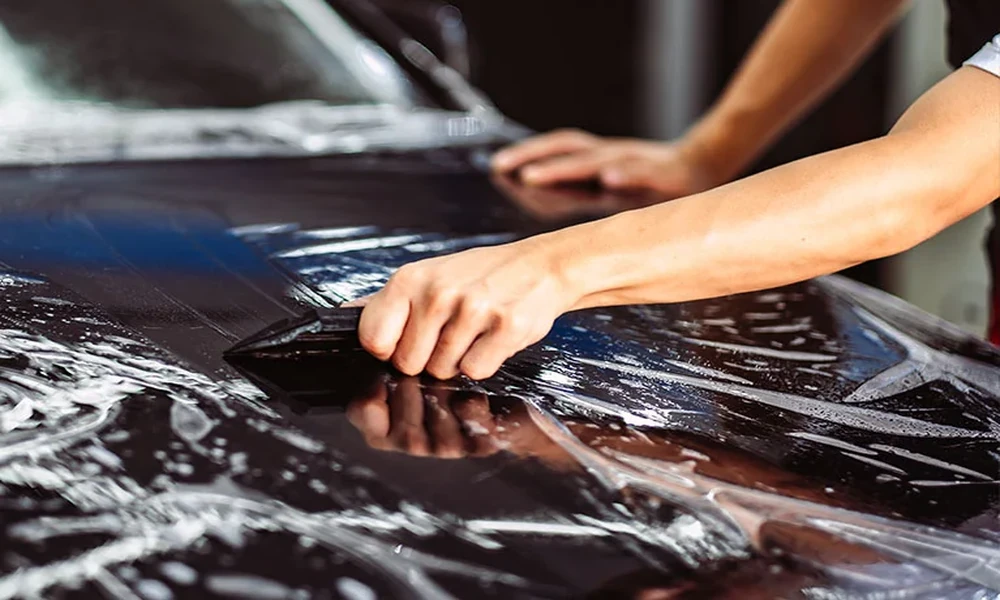
Paint protection film has moved well beyond its early reputation as a nearly invisible layer applied only to expensive sports cars. Today, drivers use PPF to protect daily commuters, luxury vehicles, performance cars, SUVs, and even specific high-wear areas that face constant exposure to road debris.
That broader use has also changed what people expect from the film itself. Choosing the best PPF is no longer simply a matter of comparing thickness or looking for the clearest sheet available. Buyers increasingly consider finish, flexibility, installation requirements, durability, maintenance, and how closely a film can be matched to the individual vehicle.
This shift has made customization an important part of the decision. Rather than treating paint protection as a standard product applied the same way to every car, installers and vehicle owners are taking a more tailored approach.
The Best PPF Depends on How the Vehicle Is Used
There is no single paint protection film that is automatically best for every vehicle. A weekend sports car and a high-mileage family SUV may face very different types of wear.
A vehicle driven frequently on highways is exposed to gravel, sand, insects, and other debris at speed. For that car, impact resistance and dependable adhesion around vulnerable front-end panels may matter most. A city vehicle may experience more scratches from tight parking spaces, cleaning, and everyday contact. Owners of luxury cars, meanwhile, may place greater emphasis on optical clarity and maintaining the appearance of the original paint.
Climate matters as well. Cars exposed to intense sunlight need films designed to maintain appearance under prolonged ultraviolet exposure. Vehicles driven through wet winters, dusty roads, or changing temperatures create other demands on adhesives and surface coatings.
The strongest PPF choice therefore begins with the vehicle’s environment rather than a product label.
Material Quality Still Forms the Foundation
Customization can improve fit and appearance, but the underlying film still needs to perform well.
Modern premium paint protection films are commonly produced using thermoplastic polyurethane, often referred to as TPU. The material is valued because it can combine flexibility, transparency, and resistance to physical damage while following the curves of automotive bodywork.
Film construction involves more than the base polyurethane layer. Adhesive quality affects how consistently the material bonds to painted surfaces, while the top coat influences stain resistance, gloss, maintenance, and the film’s ability to recover from minor surface marks.
Consistency across these layers is especially important. A film that looks excellent immediately after installation may become disappointing if it develops excessive discoloration, adhesive problems, lifting edges, or an uneven surface over time.
For buyers comparing suppliers, technical specifications are useful, but long-term consistency can be just as meaningful as impressive figures on a product sheet.
Surface Finish Has Become Part of the Selection Process
Protection used to be the overwhelming priority when choosing PPF. Appearance now receives nearly equal attention.
Traditional high-gloss film remains popular because it is intended to preserve the appearance of glossy factory paint while adding a protective barrier. However, satin and matte options have expanded the possibilities considerably.
A satin film can soften reflections and give a vehicle a more restrained appearance without requiring permanent paint changes. Matte products offer a flatter finish and can also help protect vehicles that already have matte factory paint, where conventional polishing methods may not be appropriate.
There are also decorative and textured films that allow protection to play a role in styling.
These choices mean the best film is increasingly defined by the finish the owner wants to preserve or create. Optical compatibility with the vehicle matters, particularly when only certain panels are being protected.
Panel Coverage Should Be Tailored to Real Risk
Another reason custom approaches have become more common is that vehicles do not experience wear equally across every panel.
The front bumper, bonnet, mirror caps, front wings, rocker panels, and areas around wheel arches often receive far more road impact than doors or roof panels. Some owners therefore choose targeted coverage rather than wrapping the entire vehicle.
Partial installations can make sense where the objective is to protect specific high-impact zones. Full-body installations provide more comprehensive protection but require greater material use, preparation, and installation time.
Neither approach is inherently better. The right coverage depends on driving habits, vehicle value, paint condition, ownership plans, and personal expectations.
Custom-cut patterns can also reduce unnecessary trimming directly on the vehicle. When patterns are designed accurately for individual makes and models, installers can achieve cleaner alignment around badges, sensors, edges, and complex body features.
Installation Quality Can Matter as Much as Film Quality
Even highly regarded PPF can perform poorly when installed incorrectly.
Paint protection film must stretch and conform across panels without creating excessive tension. Edges need to remain secure, alignment should look natural, and contamination beneath the film must be minimized.
Surface preparation is therefore a critical stage. Paint may appear clean while still carrying bonded contaminants, polishing residue, wax, or other substances that interfere with installation.
Complex panels create additional challenges. Deep curves, vents, bumpers, mirrors, and sharply shaped bodywork require careful handling because over-stretching the material can affect appearance and durability.
This is why film and installer should not be evaluated independently. A technically strong product installed without adequate preparation or experience may deliver a less satisfying result than a well-matched film handled by an experienced professional.
Self-Healing Performance Should Be Viewed Realistically
Self-healing has become one of the most recognizable features associated with modern PPF.
The term generally describes the ability of the film’s surface to reduce the appearance of light marks when exposed to warmth. Sunlight, warm water, or ambient heat may help certain superficial scratches become less noticeable.
That does not mean the film repairs every type of damage.
Deep cuts, major stone impacts, torn material, and damage that penetrates the film cannot simply disappear. Buyers should treat self-healing properties as a useful feature for managing minor surface wear rather than as a substitute for realistic expectations.
The same principle applies to paint protection generally. PPF reduces exposure to many everyday hazards, but it cannot make bodywork completely immune to physical damage.
Maintenance Influences Long-Term Appearance
Choosing the best PPF also means considering how easily it can be maintained after installation.
Regular washing helps prevent dirt, insects, road film, and environmental contaminants from remaining on the surface for extended periods. Harsh chemicals and aggressive cleaning methods should generally be avoided unless they are confirmed as suitable for the particular film.
Edges deserve additional attention during washing. High-pressure water directed aggressively at film edges can place unnecessary stress on the installation.
Owners should also understand the characteristics of their chosen finish. Gloss, satin, and matte films may require different detailing approaches. A maintenance routine that works well for conventional glossy paint may not be ideal for a low-sheen protective surface.
Good maintenance cannot compensate for poor material, but it can help a properly installed film retain its intended appearance.
Customization Is Becoming a More Useful Measure of PPF Quality
As the PPF market develops, quality is increasingly connected to how well a film can be adapted to a particular vehicle rather than how many generic features appear on its specification sheet.
Vehicle owners may need different finishes, coverage patterns, thickness characteristics, or installation solutions depending on body shape and intended use. For professionals assessing manufacturers and suppliers, the availability of consistent material options and adaptable patterns can therefore be an important consideration.
Companies such as ClearPro illustrate this broader product category through information about custom Paint Protection Film, showing how vehicle-specific requirements can become part of the film selection process rather than an afterthought.
Ultimately, the best PPF is the film that suits the car, the driving environment, the desired appearance, and the quality of installation. Customization does not replace the fundamentals of strong materials and careful workmanship. Instead, it helps those fundamentals work more effectively for the vehicle they are intended to protect.
