

Introduction
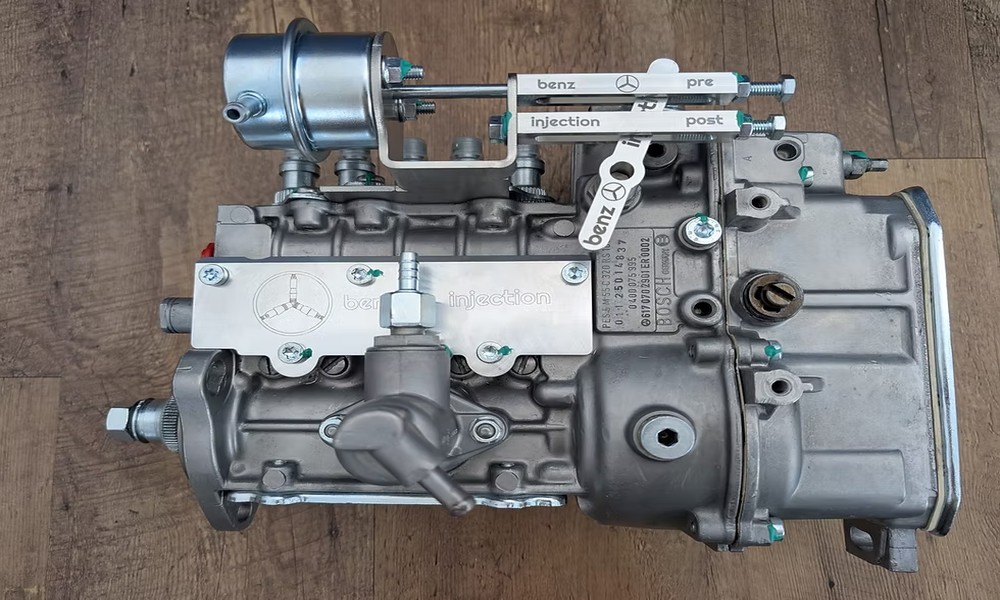
Diesel injection systems are an important part of a diesel engine. They control how fuel is delivered into the engine, helping it run smoothly and efficiently. A well-maintained injection system can last for many years, but several factors can affect its lifespan. Understanding these factors is also helpful when choosing the right replacement fuel injection pump, ensuring better performance, durability, and long-term reliability while avoiding costly repairs.
Quality of Fuel Used
One of the most important factors is the quality of diesel fuel. Clean and high-quality fuel helps the injection system work properly. Poor-quality fuel may contain dirt, water, or impurities that can damage the injectors and other parts.
When contaminated fuel enters the system, it can cause blockages and wear. Over time, this reduces efficiency and shortens the lifespan of the injection system. Using good-quality fuel and proper filtration can help prevent these issues.
Regular Maintenance and Servicing
Routine maintenance plays a big role in keeping the diesel injection system in good condition. Regular cleaning and timely servicing help remove deposits that can build up inside the system.
Ignoring maintenance can lead to clogged injectors and poor fuel flow. This puts extra stress on the system and can lead to early failure. Simple steps like replacing filters and checking components can make a big difference in how long the system lasts.
Driving Habits and Usage
How a vehicle is driven also affects the lifespan of its injection system. Rough driving, frequent sudden acceleration, and carrying heavy loads can put extra pressure on the engine and fuel system.
On the other hand, smooth and steady driving helps reduce strain on the components. Vehicles that are used carefully tend to have longer-lasting injection systems compared to those that are used aggressively.
Environmental Conditions
The environment in which the vehicle operates can also have an impact. Dusty or dirty conditions can increase the chances of contaminants entering the fuel system. Extreme temperatures can also affect how the system performs.
For example, very cold weather can make fuel thicker, while high heat can cause faster wear of components. Protecting the vehicle and using suitable fuel for different conditions can help maintain the system.
Quality of Parts and Installation
The quality of the injection system components is another key factor. High-quality parts are designed to last longer and perform better. Poor-quality or low-grade parts may wear out quickly and lead to frequent problems.
Proper installation is equally important. If the system is not fitted correctly, it can lead to leaks or uneven fuel delivery. Ensuring that parts are installed properly helps improve durability and performance.
Conclusion
The lifespan of diesel injection systems depends on several factors, including fuel quality, maintenance, driving habits, environmental conditions, and the quality of parts used. By paying attention to these aspects, it is possible to extend the the system’s lifespan and maintain good engine performance. Proper maintenance and careful use can help prevent major problems and keep the diesel injection system running efficiently for a long time.
