

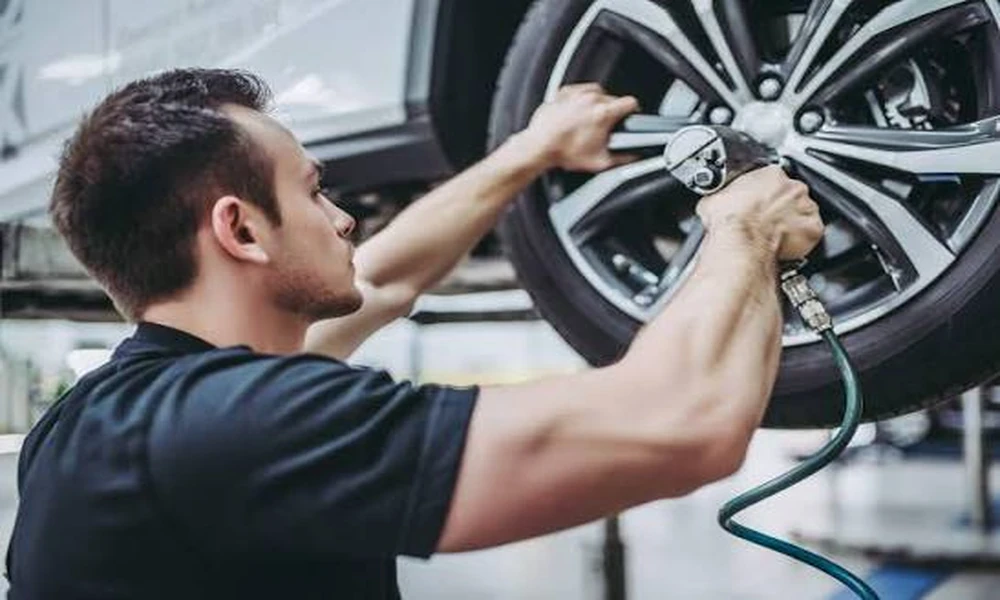
When a brake upgrade and wheel refinishing are part of the same project, establish whether the existing wheels can remain before spending on their appearance. A wheel that works with the present brakes is not automatically suitable for the proposed package. Let qualified professionals resolve the actual component compatibility first, then choose which wheels deserve the cosmetic investment.
A Mississauga enthusiast might have a clear plan: keep the familiar spoke design, renew the worn finish and install a larger brake package behind it. The two purchases seem to improve different parts of the same car. Yet they are dependent. If the proposed brakes cannot be accommodated by the retained wheels, the freshly completed finish will not make that original plan workable.
The wheel you own belongs to the present brake arrangement
Begin with the car as it is now. The existing wheels and brakes have a particular physical relationship. A future package may have different components and dimensions, even when advertised for the vehicle model. Describing the brakes as suitable for the car should not be silently extended to mean suitable behind every wheel that has ever been fitted to it.
Identify both sides of the proposed combination. The brake adviser needs the exact package being considered and the actual wheels the owner hopes to retain. Include aftermarket or seasonal sets rather than allowing the conversation to default to the vehicle’s original equipment. A broad statement that the car has its usual summer wheels may leave the important component unspecified.
The owner can state the preference without prescribing its solution. “I would like to keep this design if it is compatible” gives the professional a goal to evaluate. “Make these wheels fit somehow” asks for an undefined alteration before the actual constraints have been explained. The first leaves room for an appropriate recommendation, including a different purchase or a decision not to proceed.
Do not use the current lack of visible rubbing as evidence about the proposed upgrade. The parts that matter may not yet be on the car. Similarly, a photograph of another owner’s vehicle is not a confirmed match unless the relevant components and configuration have been established. Treat that image as inspiration for the project, rather than a fitment certificate for yours.
Separate the upgrade from an existing brake or wheel concern. If something already needs attention, obtain appropriate assessment promptly instead of allowing elective planning to delay it. A car’s present condition must be handled on its own terms. The choice of a cosmetic finish should not decide the response to a functional problem.
A diameter does not describe the whole clearance
Brembo’s official GT kit technical instructions explain that the greater dimensions of its disc and caliper can require a different rim arrangement. This is manufacturer guidance for the stated brake system, rather than proof of fitment for a particular owner’s proposed combination. It shows why the parts need to be considered together before the appearance work is commissioned.
Race Technologies, Brembo’s official partner, also illustrates separate wheel-barrel and spoke-clearance concerns in its brake-to-wheel clearance guidance. Its central purchasing advice is to confirm clearance regardless of wheel size. For the buyer, that means a familiar diameter alone cannot settle the question. The relevant professional must evaluate the complete proposed combination using the applicable technical information.
Keep that evaluation with people qualified to perform it. Leave the wheels unaltered while the installer resolves the proposed combination, and keep elective coating on hold if compatibility remains uncertain. Do not remove material, alter hardware or try to create clearance because the finish appointment has already been arranged. The cosmetic date can change; it should not push an unresolved technical question toward an improvised fix.
Ask for the conclusion in terms you can use for the purchase. Can the identified wheel remain with the identified package under the applicable requirements? Is more information needed? Does the proposal now require different components? A clear answer is more valuable than a general reassurance that many people run large brakes or that the wheel looks spacious enough.
If the brake package changes during planning, revisit the conclusion. An answer for one kit should not automatically follow a later substitution merely because both products belong to the same brand. Give the refinishing provider the current project status as well. It should not be asked to begin an elective transformation on the assumption that a superseded compatibility decision still governs the work.
Let the compatibility result choose the cosmetic project
There are several reasonable outcomes. You may retain the current wheels with a professionally verified compatible package. You may choose a different appropriate wheel arrangement. Or you may decide that keeping the wheels matters more than the proposed upgrade. Evaluate those actual options before treating a completed finish as money that must somehow be protected by making the original plan work.
If the retained set is confirmed appropriate and suitable for renewal, you can keep the favourite spoke design and commit its finish budget to Onyx Rims’ Mississauga powder coating. If a different wheel arrangement is required, leave the old set’s colour project uncommissioned while deciding what to buy. That postponement preserves a choice; it does not require the refinisher to solve the brake package’s fitment.
The wheels themselves still need assessment for the proposed refinishing. Compatibility with a brake package does not establish their condition or approve every finish process. Have the relevant professionals explain their respective findings and scopes. The brake decision determines whether these wheels can stay; the refinishing assessment determines what appropriate appearance work can be offered on them.
Review the combined budget only after that relationship is clear. Include the actual component and service choices that survived the assessment, rather than a wheel finish priced for a set no longer being retained. If the complete project no longer appeals, reduce or postpone elective work. A coherent smaller project is easier to justify than several attractive purchases that cannot be used together.
The finished car should contain wheels chosen for the brake arrangement actually fitted, with cosmetic work serving that settled plan. Starting with compatibility allows the favourite design to remain where appropriate and allows it to be released where necessary. New colour can then improve the wheels you will use, rather than decorate an assumption the hardware cannot support.
